

Real Estate Explained · RealWay Toowoomba
Why Your Neighbour's Sale Doesn't Tell the Whole Story
Part of the Real Estate Explained series by RealWay Toowoomba.
One of the most common conversations around our office is "what's the comparable sales?" Last week we talked about what market value actually means, and how we don't just pick a number out of thin air. Comparable sales are the other half of that story, and they play a huge role in working out what your home could be worth.
It's the same conversation we hear from sellers all the time: "The house across the road sold for $950,000, so ours should be worth at least that, right?"
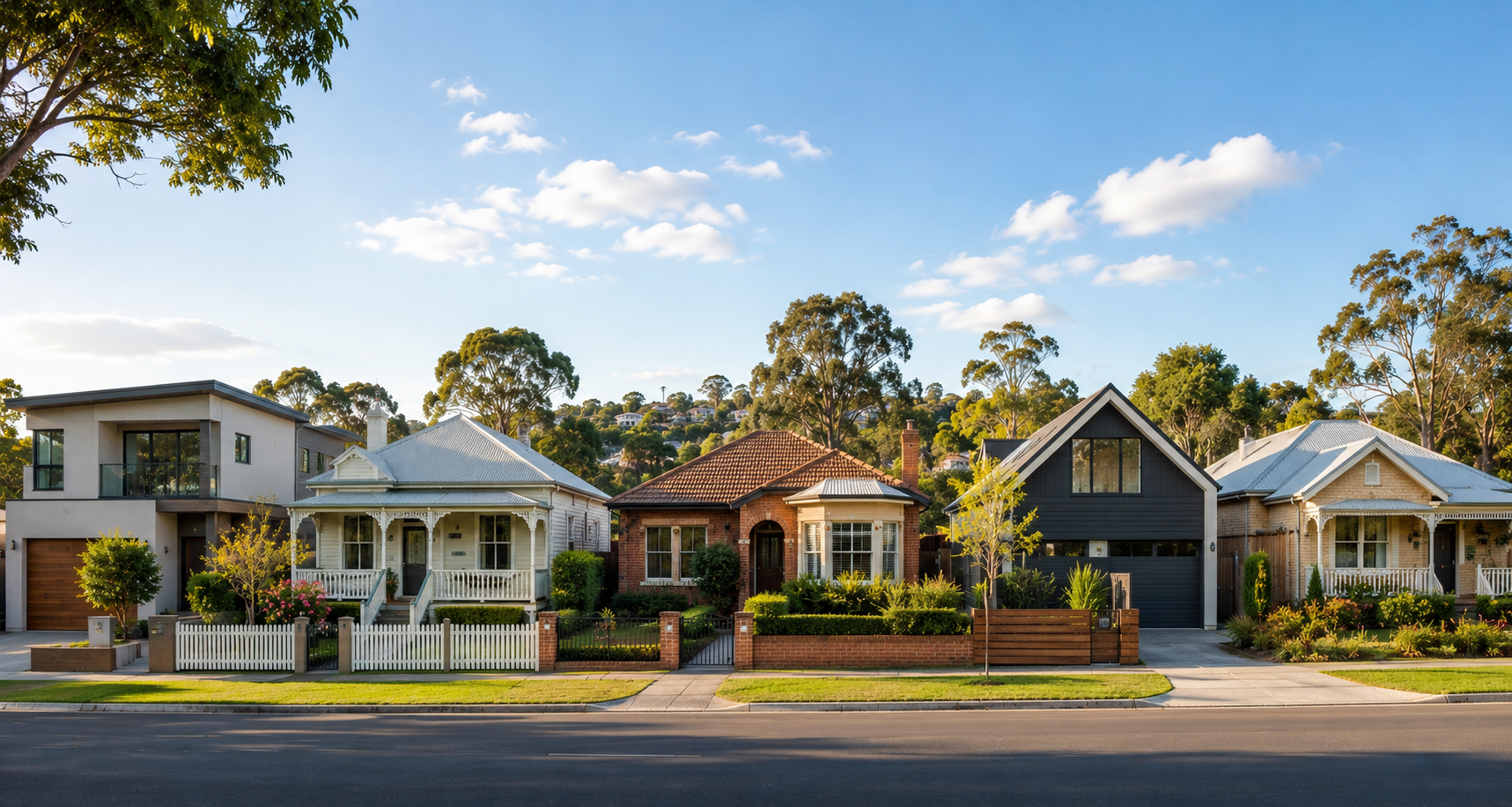
It's a fair question. After all, they're on the same street. They look similar from the outside. They were built around the same time.
But here's the catch. Just because two homes are neighbours doesn't mean they're equal.
This is where comparable sales come in. They're one of the most important tools we use when working out what a property could be worth, yet they're also one of the most misunderstood. Let's break it down.
What are comparable sales?
Comparable sales (or "comps", as you'll often hear them called in the industry) are recently sold properties that are similar to yours. They're used to help estimate what buyers might be willing to pay for your home in today's market.
Think of them as clues, not answers. One comparable sale on its own doesn't determine your home's value. Instead, several comparable sales help build a picture of what the market is doing.
Why do comparable sales matter?
Imagine you're buying a second-hand car. Would you pay $30,000 simply because someone advertised a similar car for that amount? Probably not. You'd want to know what similar cars have actually sold for, not just what people are asking.
Property works exactly the same way. The best indication of what your home might sell for is what similar homes have recently sold for. Not what's listed online. Not what someone hopes to get. What buyers have actually been prepared to pay.
Not all homes are created equal
Two homes might look almost identical from the street, but buyers often see something very different once they step inside. Things that can influence value include:
- Land size
- Number of bedrooms and bathrooms
- Renovations
- Kitchen and bathroom quality
- Outdoor entertaining areas
- Sheds and garages
- Swimming pools
- Solar systems
- Views
- Street position
- School catchments
- Overall presentation
Even something as simple as one home backing onto a busy road while another sits in a quiet cul-de-sac can make a noticeable difference to buyer appeal. That's why we don't compare apples with oranges.
Why recent sales matter
Property markets don't stand still. Interest rates change. Buyer confidence shifts. New homes come onto the market. Demand rises and falls. A property that sold eighteen months ago may no longer reflect today's market.
Prices don't move in one direction forever, either. After strong growth through last year, that pace has eased in 2026, and in some capital cities values have started to go backwards. That's exactly why keeping a current finger on the pulse matters just as much as knowing what happened previously.
Generally speaking, the more recent the sale, the more useful it is as a comparison. That's why local knowledge matters. Understanding what's happening in the Toowoomba market today is just as important as knowing what happened last year.
Why your neighbour's sale isn't always the benchmark
It's natural to compare your home with the one next door. Sometimes that's appropriate. Sometimes it isn't.
Maybe their home had a brand-new kitchen. Perhaps yours has a larger backyard. Maybe they sold during a particularly competitive period when there were very few homes available. Or perhaps your home has been renovated while theirs hadn't been touched in twenty years.
Every sale has its own story. Looking at one property in isolation rarely gives you the full picture.
What about properties that are currently for sale?
This is another common misconception. Asking prices are useful, but they aren't evidence of market value. Anyone can advertise their home for any price they like. Until a buyer agrees to purchase it, it's simply an asking price.
Comparable sales focus on what has actually happened, not what someone hopes will happen. That's a much stronger foundation for understanding today's market.
How many comparable sales should be used?
There isn't a magic number. One sale might not tell us much. Ten sales might include properties that aren't genuinely comparable.
The goal is to find a handful of recent sales that are genuinely similar to your property. Quality matters more than quantity. An experienced agent will explain why certain sales have been chosen and why others haven't.
Some properties are genuinely hard to find a comparable for, simply because there's nothing quite like them close by. This is common with farms, acreage and lower-turnover suburbs where sales don't come up often. In those cases, rather than putting a specific figure on it without solid evidence behind it, we'll sometimes list the property as "make an offer" or similar, and let the market tell us what it's worth rather than guessing at a number ourselves.
Do buyers look at comparable sales too?
Absolutely. Many buyers research recent sales before making an offer. Some speak with mortgage brokers. Others discuss values with family members or independent valuers. They're often doing exactly what agents are doing: trying to work out what represents fair market value.
The more confidence buyers have that your asking price is supported by comparable sales, the more comfortable they generally feel making an offer.
Comparable sales don't predict the future
One thing that's important to understand is that comparable sales are evidence, not guarantees. They're a guide.
If your property attracts multiple buyers who compete against one another, it may sell above recent comparable sales. Likewise, if buyer demand is quieter, it may sell below expectations. Comparable sales help establish a likely range, but the market always has the final say.
How RealWay uses comparable sales
At RealWay, comparable sales are one of the first places we look when preparing an appraisal. But we don't stop there. We also consider:
- Current buyer demand.
- The number of competing properties on the market.
- Feedback from active buyers.
- Local trends across Toowoomba.
- Your property's unique strengths.
It's about combining evidence with local knowledge. Most importantly, we'll explain how we've reached our opinion, because understanding the "why" is just as valuable as hearing the number itself.
The bottom line
Comparable sales aren't about finding a house that's exactly the same as yours. They're about understanding what buyers have recently been willing to pay for properties that are as similar as possible.
When used correctly, they help remove emotion, replace guesswork with evidence, and give homeowners greater confidence when making property decisions.
Whether you're selling next month or simply curious about your home's value, understanding comparable sales is one of the smartest places to start.
Frequently Asked Questions
What are comparable sales?
Comparable sales are recently sold properties that are similar in size, location, condition and features to your home. They're used to help estimate market value.
How recent should comparable sales be?
Generally, the more recent the better. Sales from the last three to six months usually provide the most relevant picture, although this can vary depending on market conditions.
Why can't my neighbour's sale determine my home's value?
Even homes in the same street can differ significantly in land size, presentation, renovations, layout and buyer appeal.
Are asking prices the same as comparable sales?
No. Asking prices are what sellers hope to achieve. Comparable sales are properties that have actually sold.
Who chooses the comparable sales?
A real estate professional selects the most relevant recent sales based on location, property type, size, condition and features.
Can comparable sales change over time?
Yes. As new properties sell, they become the latest evidence of what buyers are willing to pay, which means comparable sales are constantly evolving.
Do banks use comparable sales?
Yes. Bank valuers also rely heavily on comparable sales when assessing a property's value for lending purposes, which is exactly why the figure from the bank doesn't always land in the same spot as an agent's appraisal. Different valuers, different comps, different timing.
Keep learning
This article is part of our Real Estate Explained series, where we unpack common real estate terms in plain English. You might also enjoy:
- Appraisals Explained
- Market Value Explained
- Days on Market Explained (coming soon)
- Under Offer Explained (coming soon)
- Settlement Explained (coming soon)
If there's a real estate term you've always wondered about, let us know. We'd love to explain it.
Curious what your home might be worth?
We'll walk you through the comparable sales in your street and explain exactly how we got there.
You might also be interested in

Oct 8, 2026
Open Homes Explained
Everyone at an open home is looking at something. Buyers are looking at the house. The agent is looking at the buyers. The neighbours are looking at both. And the owner, if they've got any sense, i

Sep 3, 2026
AML Explained: Why Real Estate Agents Now Ask Buyers for ID
If you're getting ready to buy in Toowoomba, don't be surprised when your agent asks for photo ID once your offer's accepted. It's not us being fussy. It's federal law. Sinc